Home » Products » AIS Systems » AIS Receivers » AIS100 RECEIVER (NMEA 0183)

AIS100 RECEIVER (NMEA 0183)

$349.95

“Connects to any NMEA AIS compatible chart plotter and adds an AIS overlay. Simple to install, highly sensitive dual channel design that’s easy to install with Garmin, Raymarine, Standard, Lowrance, Simrad, Furuno etc plotters.”

SKU: ZDIGAIS100 Categories: , Tags: ,
Description

KEY FEATURES

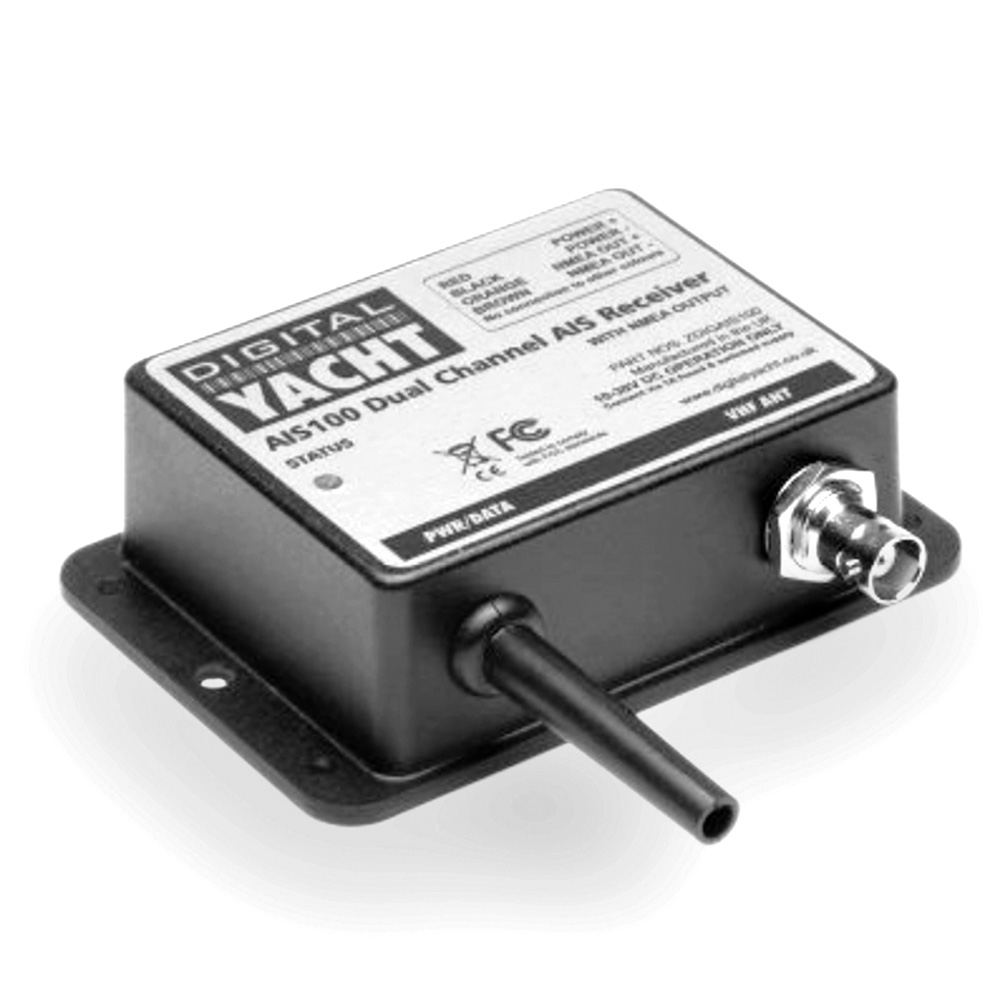
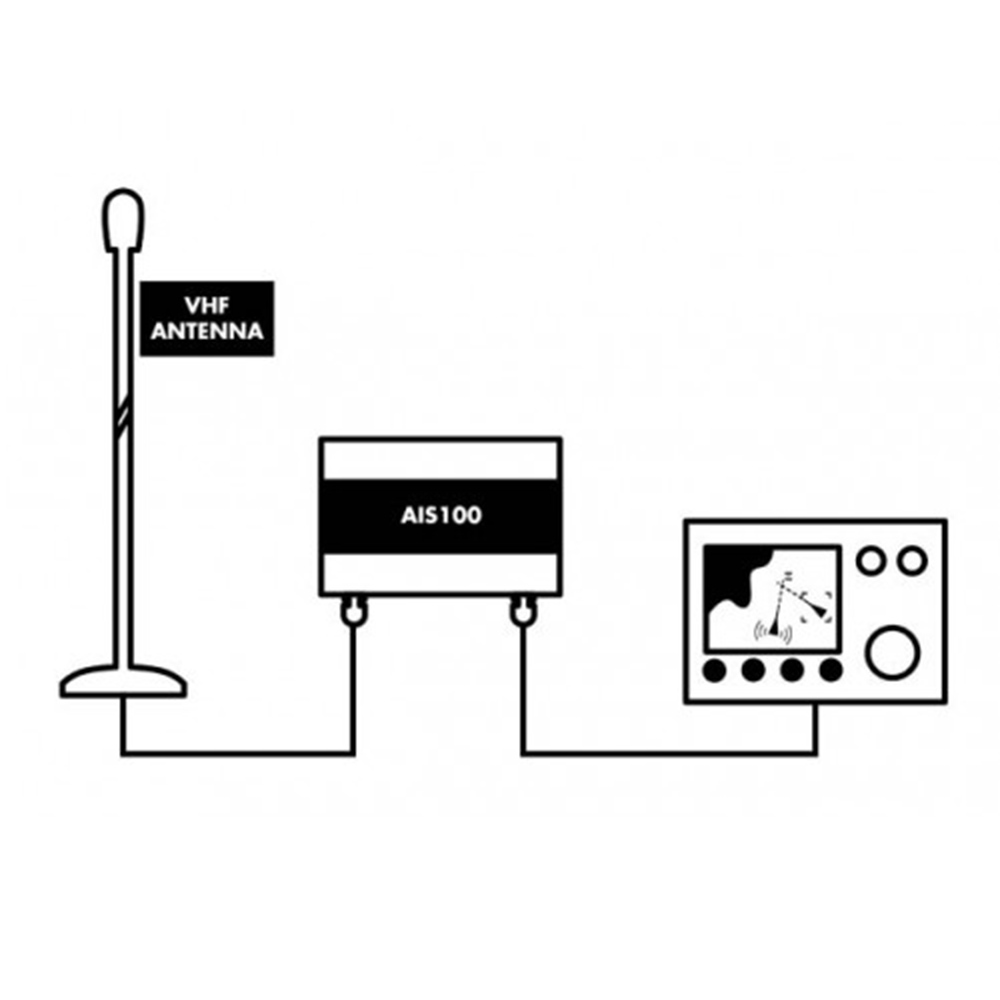
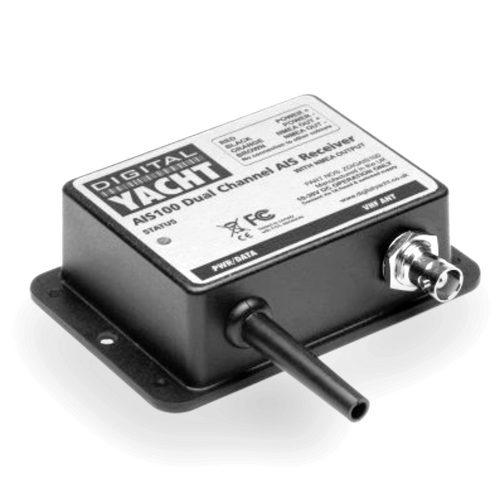
This value priced, entry level AIS receiver with NMEA 0183 is Digital Yacht’s most cost effective solution for adding AIS to your boat. It is designed to interconnect with just about any AIS compatible plotter via a simple two wire NMEA 0183 interface. It features the same dual channel receiver as the AIS100Pro, but without the USB interface and multiplexer. As a result, there is no compromise on performance and the AIS100 will out-perform all other, inferior, single channel receivers.

For use with existing AIS compatible chart plotters, such as the latest Garmin, Raymarine, Navico, Standard Horizon and Furuno units.

With the AIS100 installed your plotter will come to life with a display of local targets and drill down data on their identity, position and anti collision information.  If you want to learn more about AIS, then read our white paper HERE

Typical AIS reception range is 20 – 30 nm for a mast top antenna.
SPECIFICATIONS

  • Low cost entry level AIS receiver with NMEA 0183
  • High performance dual-channel AIS receiver for use with existing plotter and radar systems
  • High speed NMEA output (38,400 baud)
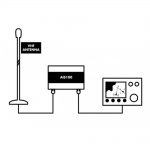
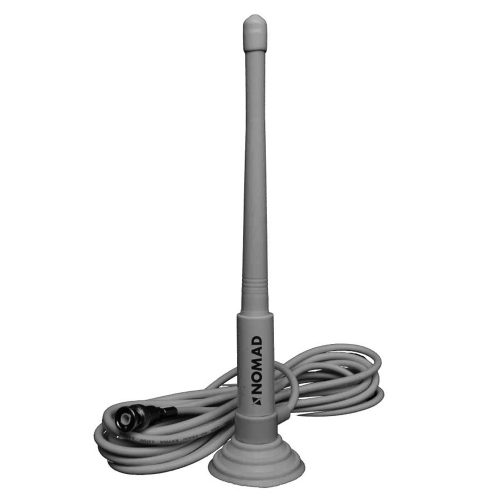
  • Requires VHF antenna or dedicated AIS antenna (available as optional accessory) or splitter
  • Easy to install IP54 black box solution
  • BNC antenna connector
Additional information
Weight 220 g
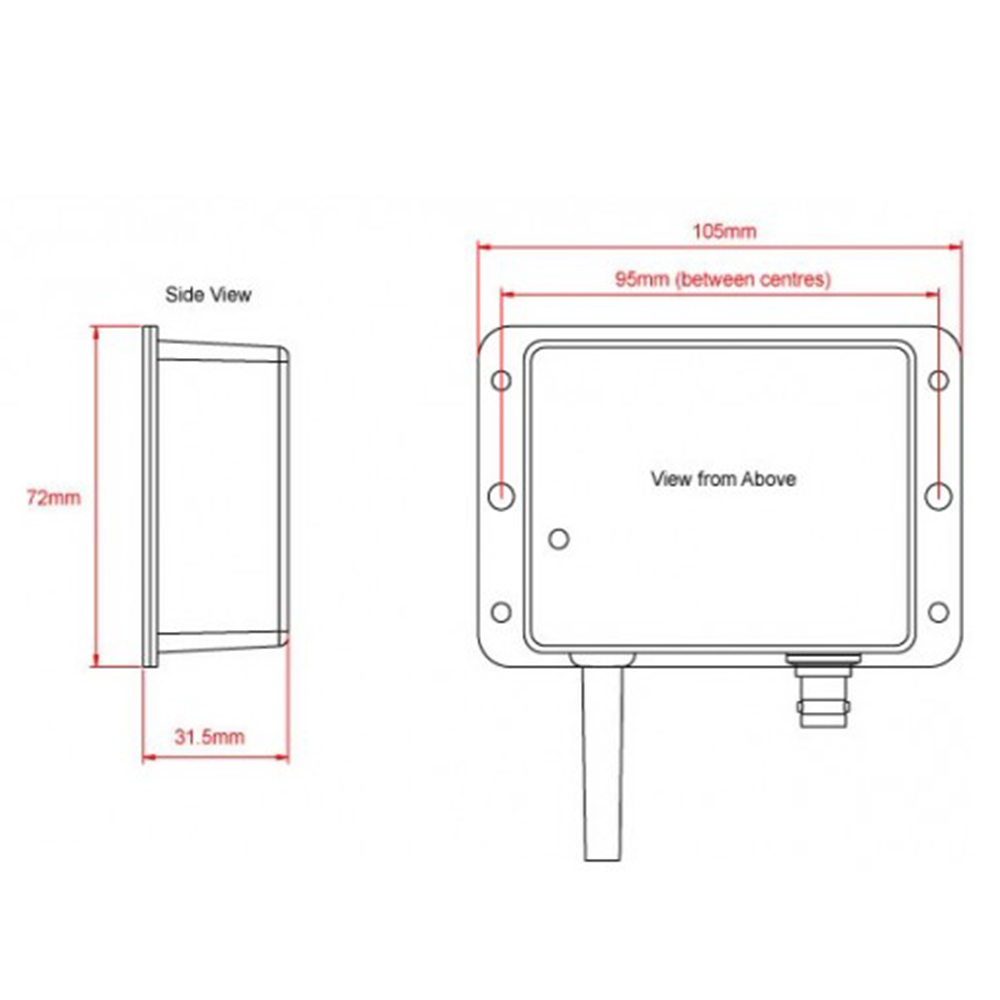
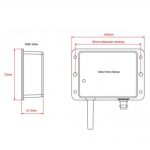
Dimensions 180 × 145 × 40 mm
Sales FAQs

Should I use a dedicated VHF antenna or a VHF splitter?

If the AIS transponder doesn’t have a built-in VHF splitter (i.e. AIT5000), there are 2 options: either install a dedicated VHF antenna for AIS or install an antenna splitter so that the main VHF antenna is used for both VHF radio and AIS.

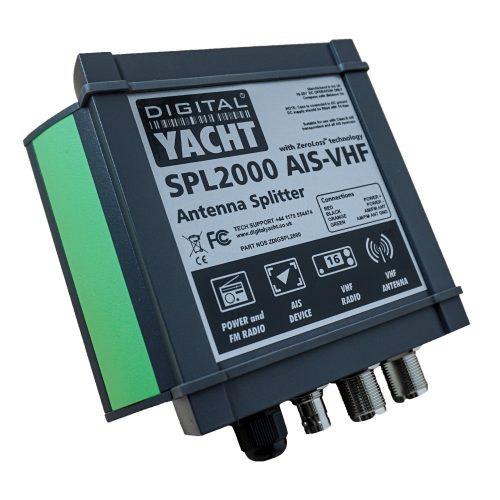
For those who want to use their existing VHF antenna, then we recommend the use of a certified zero loss VHF antenna splitter such as our SPL1500 and SPL2000. Please do not use a non-zero loss certified VHF antenna splitter. They are inexpensive, but they can destroy your AIS transponder.

For those who want to install a VHF antenna dedicated to AIS, then we recommend a VHF antenna tuned to AIS frequencies. The AIS transmission and reception works on 2 dedicated channels which use the frequencies 161.975 and 162.025 MHz (channel 87B and 88B). VHF frequencies in the maritime environment use frequencies from 156.0 to 162.025 MHz and most VHF antennas are designed to provide maximum gain on channel 16 (156.8 MHz). You can now find antennas on the market dedicated to AIS frequencies such as the HA156 antenna.

These antennas, dedicated to AIS frequencies, offer maximum gain at 162 MHz (which is the centre between the 2 AIS frequencies 161.975 and 162.025 MHz). So if you install a VHF antenna instead of a VHF antenna splitter for your AIS receiver or transponder, then choose an AIS frequency VHF antenna to compensate for the loss due to the installation of the antenna lower down than the main VHF antenna at the top of the mast. The graph below shows how a dedicated AIS frequency antenna (162 MHz) provides a better VSWR and therefore a better transmission and reception.

What is the difference between an AIS Receiver and a Transponder?

An AIS which sends and receives data is known as a transceiver (or often called a transponder). There are also simple devices called AIS receivers which pick up transmissions and decode for displaying on a compatible chart plotter or PC based navigation system – or even an iPad or tablet.

AIS transponders will allow you to receive data from vessels close to you, but will also allow you to continuously transmit your vessel’s identity, position, speed and heading, as well as other relevant information, to all other AIS-equipped vessels within your range.

To transmit its position, an AIS transponder must have its own GPS antenna. All our AIS transponders are supplied with a GPS antenna or have a built-in GPS antenna.

Manual and Downloads

AIS100 Quick Start Guide V1 00 Eng Pdf

253.88 KB

AIS100 Latest User Manual (English)

what inside box

  • Integral mounting brackets
  • 0.75m Power & NMEA0183 cable
  • Product Video